Guides
Dog-friendly Singapore, and the trips where boarding still wins
Plenty of weekends do not need a boarder at all. Knowing which ones do is the difference between a good Saturday and a dog panting under a table for three hours.
- Reviewed July 2026
- Sources cited inline
- 12 sections
At a glance
TL;DR. Dog-friendly Singapore is an outdoor scene, because enclosed food premises are largely closed to animals. Access is decided venue by venue and changes without notice, so confirm before you travel. The real constraint is not policy but heat: humidity limits how long any outing should be, and the pavement test is the only check that matters. Under two hours outdoors, bring the dog. Full days, indoor venues and overnight trips are what boarding is for.
What counts as dog-friendly in Singapore?
A dog-friendly place in Singapore is a venue that permits pet dogs on its premises, which in practice means outdoor or semi-outdoor areas rather than air-conditioned interiors. The reason is regulatory rather than cultural: rules governing enclosed food premises restrict animals inside them, which pushes the whole scene onto terraces, five-foot-ways and courtyards. Access is granted venue by venue, so there is no single national list to work from.
That last point is why this guide names no venues. A café that welcomed dogs in March can change owners in June, and a stale list is worse than no list because someone drives across the island trusting it.
Section 02
The heat is the real constraint
Policy decides where you can go. Weather decides whether you should. Singapore's combination of high temperature and high humidity is harder on dogs than on people, because dogs shed heat mainly by panting and humid air makes evaporation inefficient.
Two practical rules cover most of it. First, the pavement test: the back of your hand on the ground for seven seconds. If it is too hot for your hand, it is too hot for paws, and tarmac in the afternoon will burn pads. Second, timing: early morning and after sunset are the usable windows for anything longer than a short walk.
Know the early signs of overheating, which come well before collapse: frantic panting, a wide flat tongue, drooling, slowing down, seeking shade and refusing to move. Flat-faced breeds, overweight dogs, seniors and thick-coated northern breeds have the least margin.
03 Cafés and alfresco dining
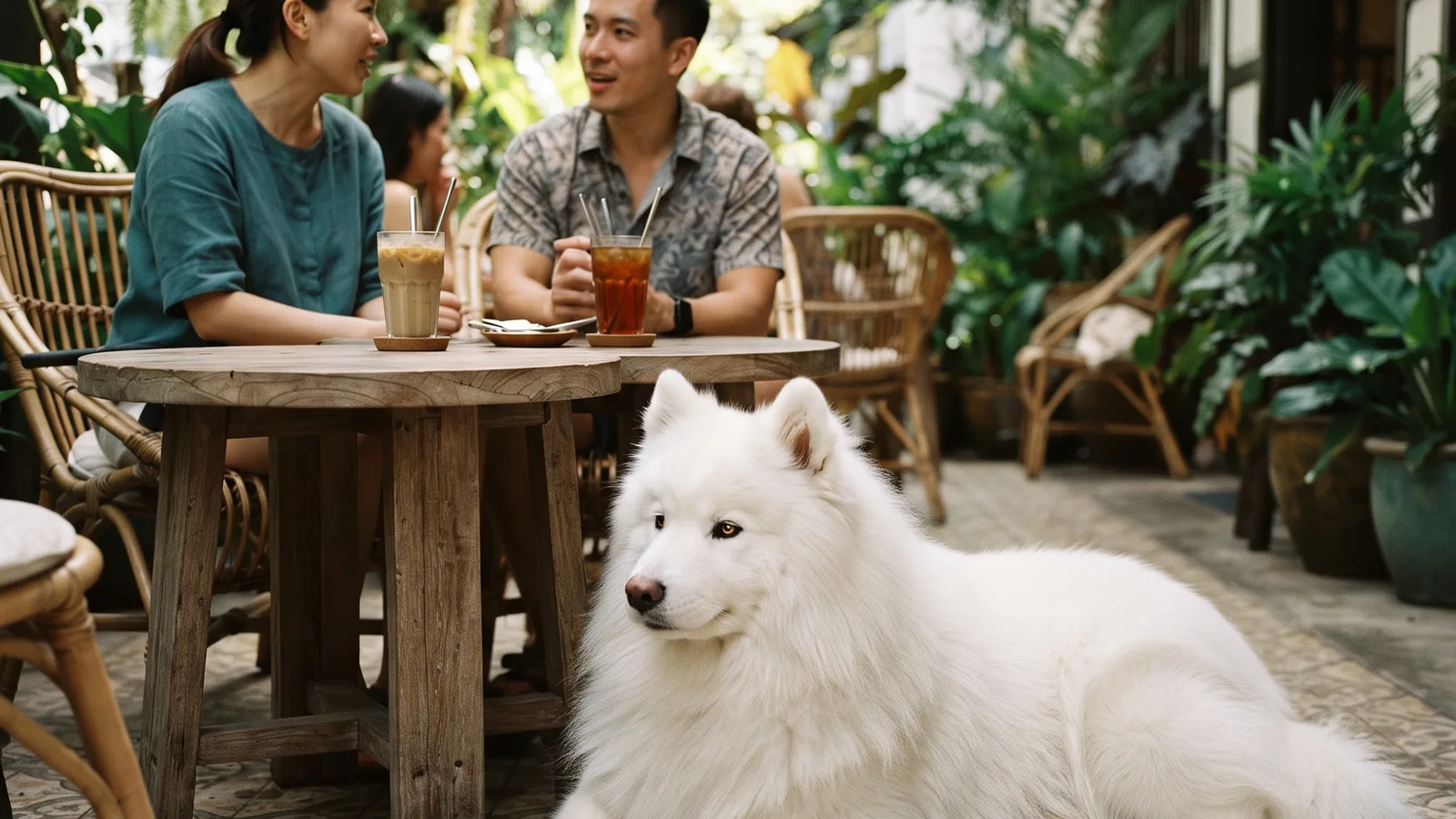
Outdoor seating is the norm, and the good spots are the ones with genuine shade, a bit of breeze and a floor the dog can lie on. Bring a mat: a dog with a defined place to settle behaves better than one negotiating chair legs.
- Message the venue the day before. Policies change, and staff answer faster than websites update.
- Go off-peak. A quiet terrace is a calmer dog and a happier waiter.
- Keep it short. Coffee, not a three-course lunch.
- Bring your own water and bowl rather than assuming.
Parks, park connectors and dog runs
The park connector network is the workhorse of dog ownership here, and designated dog runs are the only places off-leash is generally appropriate. General parks are leashed spaces, and nature reserves apply stricter rules again because of wildlife.
Dog runs come with their own social contract. Enter on lead and release once inside with the gate closed, so arrivals are not mobbed. Watch your dog rather than your phone. Leave early if play tips from bouncy into pushy, and never bring a dog that is coughing or off-colour, because a run is exactly where kennel cough spreads.
Beaches and water
A small number of coastal spots permit dogs, and each has its own conditions. Check the specific location rather than assuming the whole stretch is open.
Rinse afterwards. Salt and sand irritate skin and ears, and a dog that has been swimming needs its ears dried properly. And do not assume yours swims: plenty of dogs paddle enthusiastically for two minutes and then need helping out, and exhaustion in water is not something you get a second chance at.
Staying overnight with a dog
Supply is the problem. The number of genuinely dog-friendly hotel rooms in Singapore is small, conditions usually include size limits and a pet fee, and availability disappears fastest over exactly the holidays you want it.
If you do go this route, book direct rather than through an aggregator, get the pet policy written onto the confirmation, and check what happens if the dog cannot be left in the room unattended. Many policies say it cannot be, which quietly rules out dinner.
For most owners this is where the calculation flips. An overnight trip with a dog in tow costs more, restricts where you can eat, and leaves the dog alone in a strange room anyway. Boarding is usually both cheaper and easier on the dog.
Already know your dates?
Skip the reading. Tell us the dates and what your dog needs, and we shortlist AVS-licensed boarders for you — free, no obligation.
Get matched with a boarderSection 07
What your dog needs before mixing in public
- A current licence. Dogs in Singapore must be licensed; see the AVS information on dog and cat licences and our own guide to the Singapore dog licence.
- Up-to-date vaccinations. Public mixing carries the same exposure logic as boarding does.
- Waste bags, more than you need. Non-negotiable, and the single behaviour that keeps venues open to dogs.
- Recall that survives distraction. A recall that works in your corridor is not a recall.
Flat-dwellers should also know the ground rules at home, which HDB sets out in its guidance on keeping pets in a flat.
08 Bring the dog, or board the dog?
| The plan | Verdict |
|---|---|
| Under two hours, outdoors, shaded, early or late | Bring the dog |
| Half a day with a mix of shade and walking | Bring the dog, plan the rest stops |
| Full day including indoor venues or a mall | Leave at home, or book daytime daycare |
| Crowded event, festival or long lunch in the sun | Leave at home |
| Overnight away, anywhere | Board |
| Anything involving a flight | Board |
The days out that are secretly unkind
The outings that look most dog-friendly on social media are often the worst ones for the dog. A long lunch on a sunny terrace is two hours of a dog lying on hot tiles waiting for you to finish. A crowded event is a sea of legs at eye level. A mall trip with no shaded approach means a hot car park at both ends.
The tell is simple. If the dog spends the outing waiting rather than doing, it is your day out, not theirs.
Dog-run etiquette that prevents incidents
- Enter on lead, release inside, close the gate behind you.
- Watch your own dog continuously. Most incidents are visible for several seconds before they happen.
- Leave when play escalates rather than hoping it settles.
- Never bring an unwell or coughing dog, or one in season.
- If your dog is reactive, use quiet hours or skip the run entirely; a run is not a training ground.
When boarding beats bringing them
Boarding is not a failure of dog ownership. It is the right call for a full day of indoor commitments, for an overnight trip, for the days when leaving the dog in a car for "just ten minutes" would otherwise be tempting, and for every trip involving a flight.
When it is that kind of trip, the only thing that matters is who you leave the dog with. Every operator we route an enquiry to is checked against the official AVS register of licensed pet boarding facilities first. If you are still weighing the format, our comparison of boarding vs daycare vs sitting is the place to start, and boarding by area narrows it to your part of the island.
Section 12
Why we name no venues
Because we would be wrong within a season. Venue policies change with management, with lease terms and with a single bad experience, and an annually-refreshed listicle is a liability dressed up as a service. What holds steady is the shape of the rules, the heat, and the decision framework above. Use those, then confirm the specific place before you travel.
Keep reading
More straight answers on boarding, licensing and looking after a dog in Singapore. If you are ready to book, start from our main guide to dog boarding in Singapore or compare boarding prices.
 Health
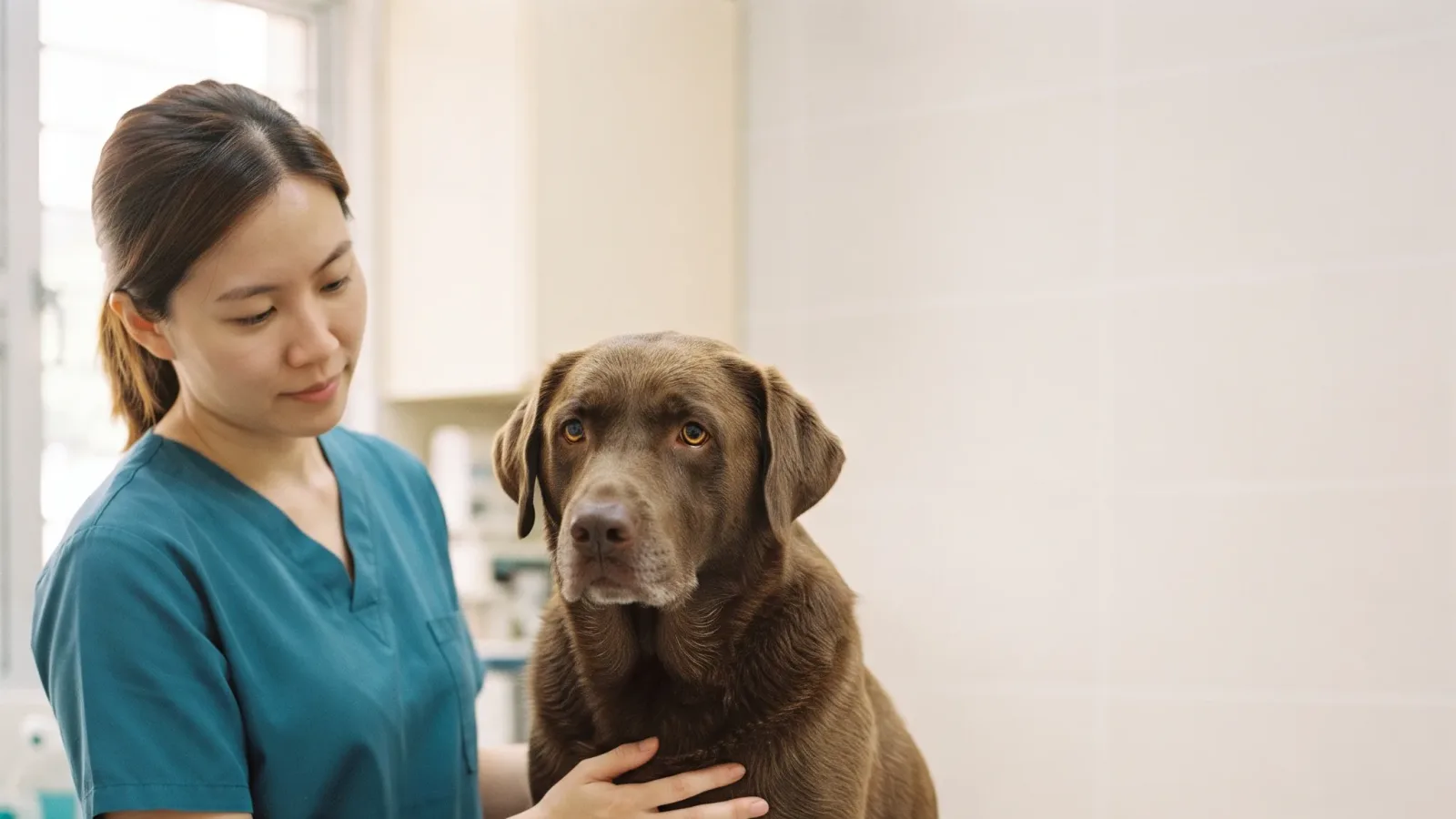
 Kennel cough in Singapore: what boarders require
Symptoms, the bordetella shot, and why boarders ask for it two weeks ahead.
Read the guide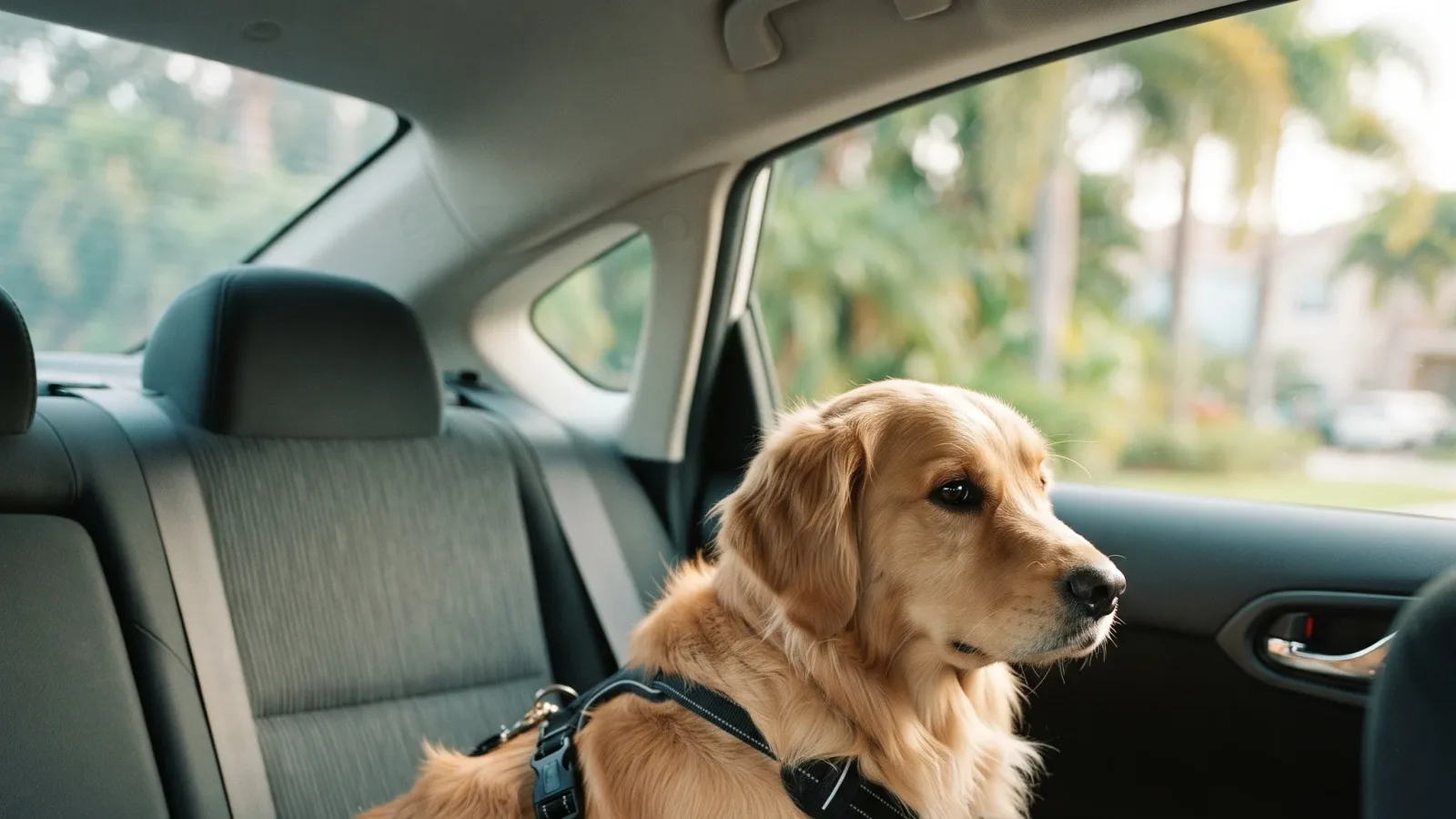 Logistics
 Pet taxi Singapore: costs and how to get your dog to boarding
Published fares, what a pet taxi includes, and when Grab or a private-hire ride is allowed.
Read the guide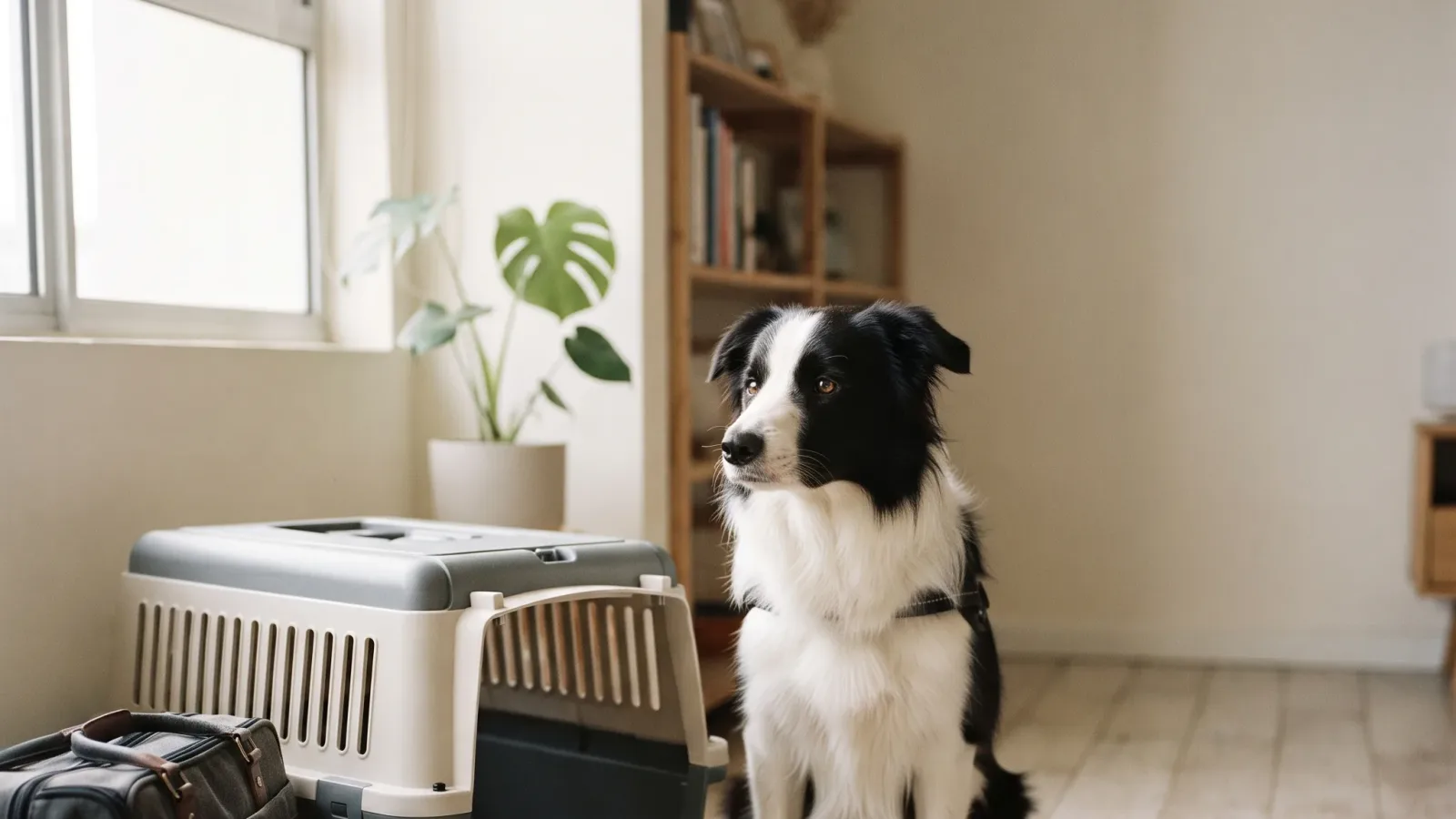 Travel
 Pet relocation from Singapore: AVS rules and boarding around a move
Export licences, health certificates, crate rules — and where your dog stays in between.
Read the guideCommon questions
Are dogs allowed in cafés in Singapore?
Can I take my dog to the beach in Singapore?
Are there dog-friendly hotels in Singapore?
When is it too hot to bring my dog out?
Do I need to bring my dog’s licence when we go out?
Should I bring my dog on a full-day outing or board them?
Are dogs allowed in nature reserves?
Ready to find your dog a safe stay?
Tell us the dates and what your dog needs. We match you with a vetted, licensed boarder — free.
Still deciding?
See how we check every boarder against the official AVS licensed register before we match you.
How we vet boarders Browse all boarding guides