Money
Pet insurance in Singapore, and what it means when you board
Most owners buy pet insurance for the vet bill and never think about it again until their dog is staying somewhere else. That is exactly the moment the wording starts to matter.
- Reviewed July 2026
- Sources cited inline
- 11 sections

At a glance
TL;DR. Pet insurance in Singapore reimburses veterinary costs, not boarding fees. Whether a claim pays during a boarding stay depends on the cause of the condition, not on where the dog was sleeping. Your policy and the boarder's liability are two separate questions, and confusing them is how owners end up with neither answer. Before any stay, set a written emergency spending limit and name a contactable second person.
Does pet insurance cover dog boarding in Singapore?
No, not the boarding fees themselves. A standard Singapore pet insurance policy is an accident-and-illness product that reimburses part of a vet bill, subject to an annual limit, a co-payment and an exclusions list. The nightly rate you pay a kennel is a service you bought, not a medical event, and insurers treat it accordingly.
The narrow exception worth knowing about is a kennel-fee benefit that some policies include if the owner is hospitalised, so the dog has to be housed somewhere. That trigger is specific, and it is not a travel benefit.
Section 02
What a Singapore pet insurance policy actually is
Pet insurance in Singapore is a reimbursement product. You pay the clinic, then claim back a share, rather than the insurer settling at the counter. Three numbers govern how much comes back: the annual limit, any per-condition sub-limit, and the co-payment you carry on every claim.
It is also not liability cover. A policy that pays for your dog's treatment says nothing about damage your dog causes to someone else, which is a separate product entirely and one many owners assume they already have.
03 The exclusions that matter most when you board
- Pre-existing conditions. The single biggest source of declined claims. Anything showing signs before cover started is generally out, and "before cover started" includes symptoms nobody had named yet.
- Waiting periods. New policies do not respond immediately. Illness waiting periods are typically longer than accident ones.
- Routine and preventive care. Vaccinations, parasite control and dental cleaning normally sit outside a standard policy, which matters because vaccination is exactly what a boarder requires.
- Behavioural treatment. Often excluded or heavily limited, which is relevant if a stay surfaces separation anxiety.
None of these are unusual or unfair. They are simply not what most owners have in mind when they say "he's insured".
If my dog is hurt at the boarder, who pays?
Two questions get tangled here, and separating them is most of the work. The first is who pays for treatment, which is your policy's job if the condition is covered. The second is whether the boarder bears responsibility for the injury happening, which is a matter of facts and of the operator's own terms and cover.
A licensed operator here works within a formal framework. Commercial boarding requires a licence, and the AVS pet boarding licence requirements together with the AVS licensing conditions for pet boarding set expectations around premises, handling and records. That framework is not an insurance policy, but it is why a licensed operator can usually tell you what happened and when.
Practical steps if something does go wrong: ask for a written incident report at the time, photograph the injury, keep every vet document, and get the timeline in writing while it is fresh.
What to ask a boarder about medical emergencies
- Who is your on-call vet, and which clinic do you use out of hours?
- What spending limit may you authorise without reaching me?
- Who do you call first if I am mid-flight, and who second?
- Do you provide a written incident report as a matter of course?
- Do you pay the clinic and invoice me, or do I settle directly?
That last one decides whose credit card absorbs the shock at 2am. Sort it before you leave. Our checklist of the questions that separate a good boarder from a nice website covers the rest of the interview.
Making a claim while you are overseas
The claim itself is ordinary. The circumstances are not, because you are not the person standing at the counter.
You will typically need an itemised invoice and the vet's clinical notes, both in the pet's name, matching the microchip on file. Someone must have paid on the day, which is why the payment question above matters. Most insurers set a submission deadline measured in weeks or months from treatment, so the paperwork should not wait for you to unpack.
Tell the boarder you intend to claim. It costs them nothing and it makes them precise about documentation.
Already know your dates?
Skip the reading. Tell us the dates and what your dog needs, and we shortlist AVS-licensed boarders for you — free, no obligation.
Get matched with a boarderSection 07
Does any policy pay boarding fees?
A minority do, under a narrow trigger. The usual construction is a kennel or cattery fee benefit that applies when the owner is hospitalised for a minimum number of consecutive days, leaving nobody at home to care for the animal.
It is a genuine benefit and it is not a holiday benefit. Read the exact wording in your policy schedule, note the minimum hospitalisation period, and do not assume it from a comparison-site summary table.
08 Insurance is not a substitute for choosing well
Cover pays after something has gone wrong. Choosing a properly run boarder reduces how often that sentence applies.
The floor is licensing. Any operator we pass an enquiry to is checked against the official AVS register of licensed pet boarding facilities, because an unlicensed operator is one where nobody has inspected anything. Above that floor sit the things a register cannot show you: how many dogs share a space, who is awake overnight, and what the plan is when a dog stops eating. That is what how we check every boarder is about.
Budgeting for the stay and the what-ifs
Two numbers belong in a boarding budget. The stay itself, which you can plan precisely from published rate bands on our what a stay costs page. And the contingency, which is the one that actually hurts, because an after-hours emergency consultation plus diagnostics dwarfs a week of boarding.
The contingency does not need to be cash sitting idle. It needs to be a decision made in advance: an agreed authorisation limit, a card the boarder can charge or a clinic that will bill you, and a second contact with authority to say yes.
A note on timing
If you are going to buy cover, buy it in the quiet weeks, not the week of the trip. Waiting periods exist precisely to stop policies being bought in anticipation of a claim, and a policy purchased days before boarding is unlikely to respond to anything that happens during it.
Check the renewal date against your travel dates too. A policy that lapses mid-trip while you are unreachable is an avoidable, entirely self-inflicted gap.
What we are not saying
This is not financial advice, and it is not a recommendation of any insurer. We sell no insurance, take no insurer commission, and have named no product on this page on purpose.
What we are saying is narrower and more useful: read your own policy schedule before a stay, separate your cover from the boarder's liability, and agree the emergency plan in writing before you get on the plane. The policy wording beats every summary, including this one.
Keep reading
More straight answers on boarding, licensing and looking after a dog in Singapore. If you are ready to book, start from our main guide to dog boarding in Singapore or compare boarding prices.
 Health
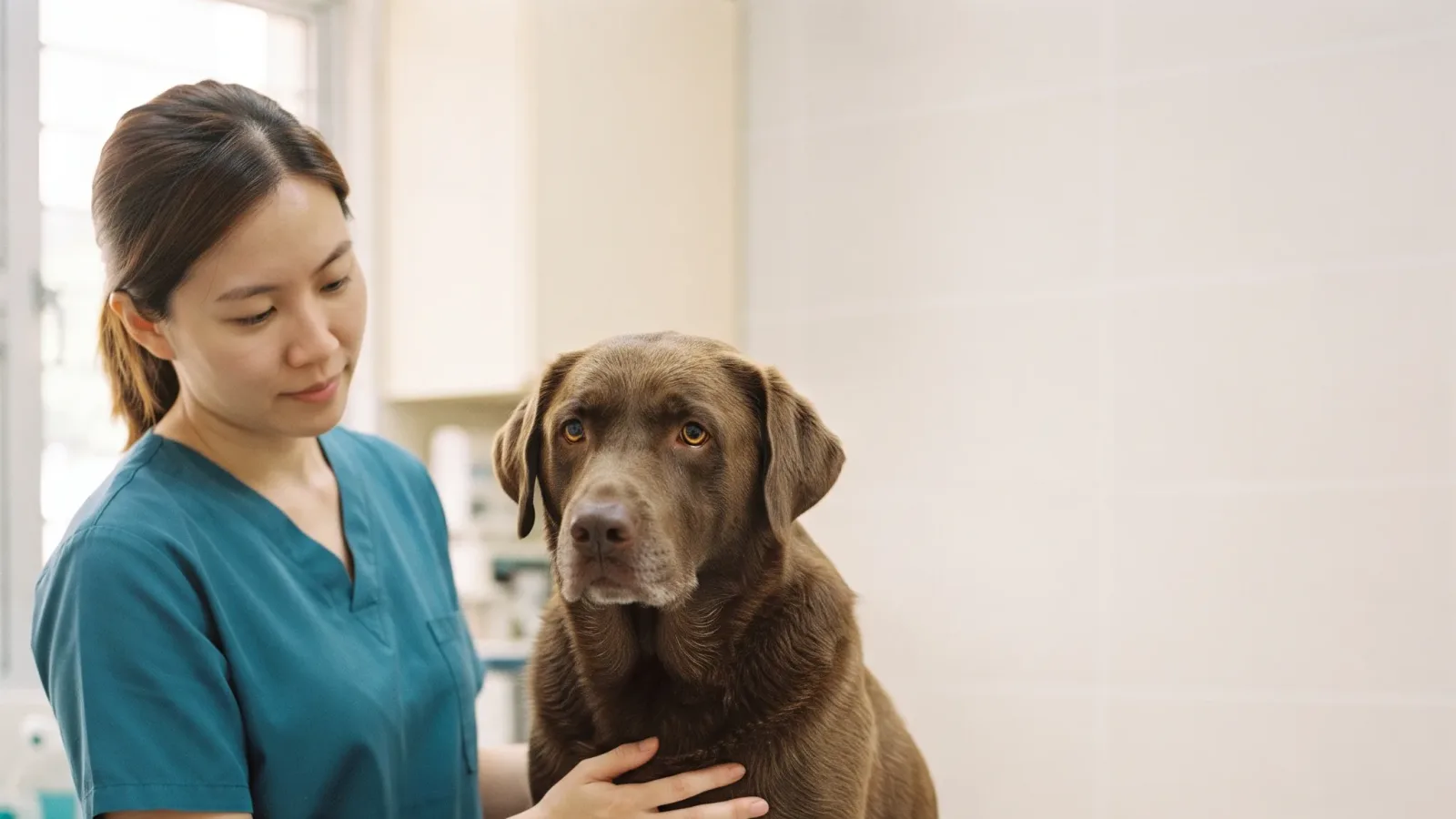
 Kennel cough in Singapore: what boarders require
Symptoms, the bordetella shot, and why boarders ask for it two weeks ahead.
Read the guide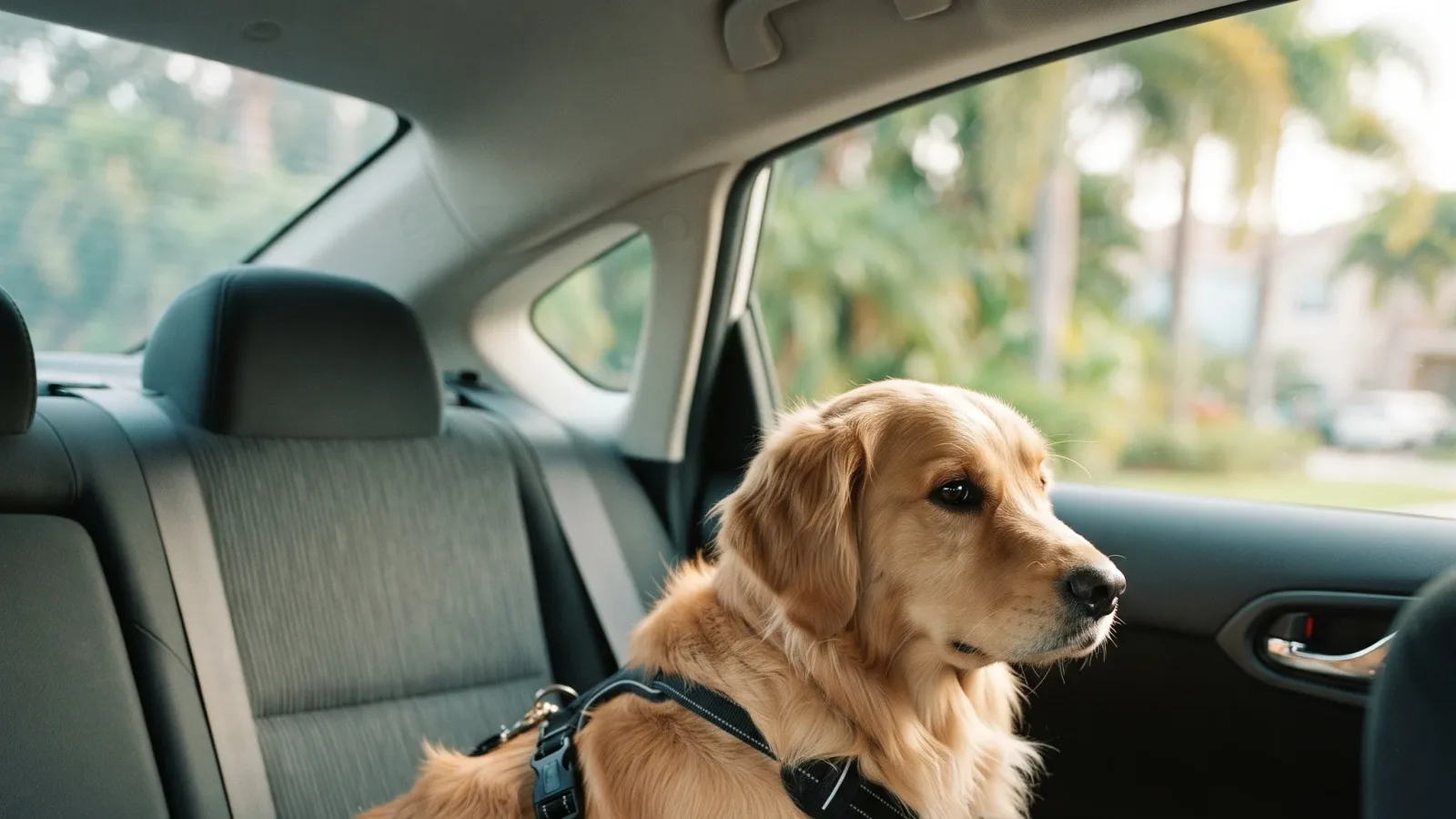 Logistics
 Pet taxi Singapore: costs and how to get your dog to boarding
Published fares, what a pet taxi includes, and when Grab or a private-hire ride is allowed.
Read the guide Travel
 Pet relocation from Singapore: AVS rules and boarding around a move
Export licences, health certificates, crate rules — and where your dog stays in between.
Read the guideCommon questions
Does pet insurance cover boarding fees in Singapore?
If my dog gets sick at a boarder, will my insurance pay?
Who is liable if my dog is injured at a boarding facility?
Does insurance cover kennel cough caught at boarding?
Can I claim while I am overseas?
Should I buy pet insurance before a boarding stay?
What spending limit should I authorise the boarder to approve?
Ready to find your dog a safe stay?
Tell us the dates and what your dog needs. We match you with a vetted, licensed boarder — free.
Still deciding?
See how we check every boarder against the official AVS licensed register before we match you.
How we vet boarders Browse all boarding guides